When someone close to us dies, even routine decisions can suddenly feel difficult. Families may need to coordinate arrangements, understand service options, communicate with relatives, and find a meaningful way to honor someone important to them. Experienced
Philadelphia, PA funeral homes can provide structure during this demanding period, helping loved ones move through necessary decisions with clarity, dignity, and compassionate guidance.
The role of a funeral home reaches beyond coordinating a ceremony. We understand that every family arrives with its own traditions, relationships, beliefs, and ideas about remembrance. Murphy Ruffenach Brian W. Donnelly Funeral Homes has served families for generations, and that experience shapes an approach centered on personal care and thoughtful guidance. The goal is not to make decisions for a family, but to help loved ones understand their choices and create arrangements that feel appropriate for the person they are remembering.
Providing Guidance When Decisions Feel Difficult
After a death, families often face several responsibilities within a relatively short period. Funeral directors can help organize these responsibilities so loved ones do not have to navigate every detail independently. This may involve discussing the type of ceremony a family wants, coordinating necessary arrangements, explaining available choices, and helping establish a practical sequence for what needs to happen.
Clear guidance is particularly valuable because grief can make concentration and decision-making more challenging. Rather than presenting families with choices without context, an experienced funeral professional can explain what each option involves and how it may fit the family's preferences.
Our role is also to listen. Some families already know exactly what they want, while others need time to consider possibilities. A thoughtful conversation about
personalized funeral service options for honoring a loved one can help families understand how different elements may work together. The funeral home's website confirms that services may be personalized and held at the funeral home, a church, or a family's home.
Creating Space for Family and Friends
A funeral or memorial gathering gives people an opportunity to come together. While every person experiences grief differently, gathering can provide a shared setting for remembering the person who died, offering support, sharing stories, and recognizing the importance of a life.
Funeral homes help families create an environment where these moments can happen naturally. That can include coordinating a visitation, funeral ceremony, memorial gathering, procession, or another form of remembrance that reflects the family's wishes.
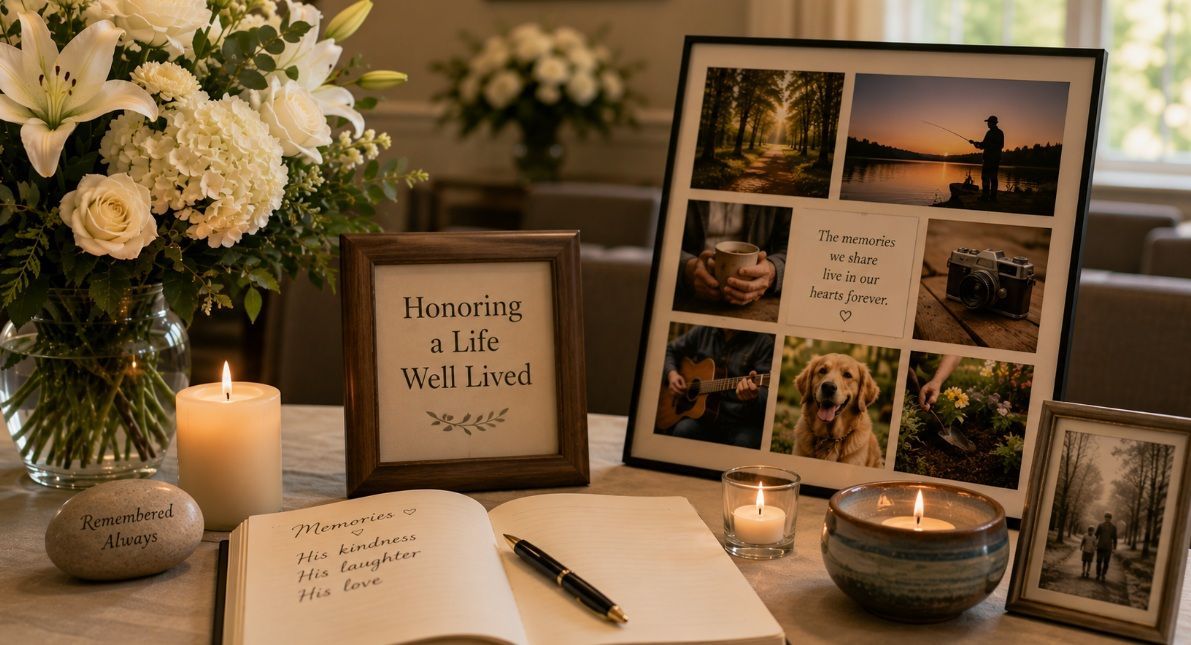
Personal details can make these gatherings especially meaningful. Photographs, music, readings, treasured memories, religious traditions, and stories can all help communicate something genuine about the person being honored. Families considering these choices may benefit from understanding
why meaningful personalization can shape funeral services around an individual's character and relationships. The objective is not complexity. Often, simple and familiar details provide the strongest sense of connection.
Respecting Traditions and Personal Preferences
No two families approach remembrance in exactly the same way. Cultural customs, religious beliefs, family traditions, and personal preferences may influence everything from the structure of a ceremony to the way relatives participate.
Funeral professionals can help families identify which traditions matter most while coordinating arrangements around those wishes. This flexibility is important because there is no single formula for creating a meaningful farewell.
Some families may prefer a traditional funeral followed by burial. Others may select cremation while still wanting a gathering or memorial ceremony. The funeral home's current services include traditional funerals, cremation options, green burial choices, and preplanning assistance, allowing families to consider different approaches to remembrance.
What matters is that families have understandable information before making decisions. When choices are explained patiently and respectfully, loved ones can focus on creating a tribute that reflects their values instead of feeling pressured toward one particular type of service.
Handling Important Details With Care
Behind every funeral or memorial are numerous practical details. Coordinating them requires organization, communication, and professional attention. Funeral directors help manage these responsibilities while keeping families informed about what needs their attention.
That support can involve coordinating transportation, scheduling gatherings, working with clergy or celebrants, arranging procession details, and assisting with documentation connected with funeral or cremation arrangements. Managing these moving parts helps create continuity from one stage of the arrangements to the next.
Professional guidance can also help prevent families from feeling that they must understand everything immediately. A funeral director can explain what needs to happen first, what decisions can wait, and what options remain available.
This combination of practical coordination and personal attention is central to funeral service. The administrative work may happen quietly in the background, but careful preparation allows loved ones to spend more of their energy remembering, gathering, and supporting one another.
Offering Support Beyond the Ceremony
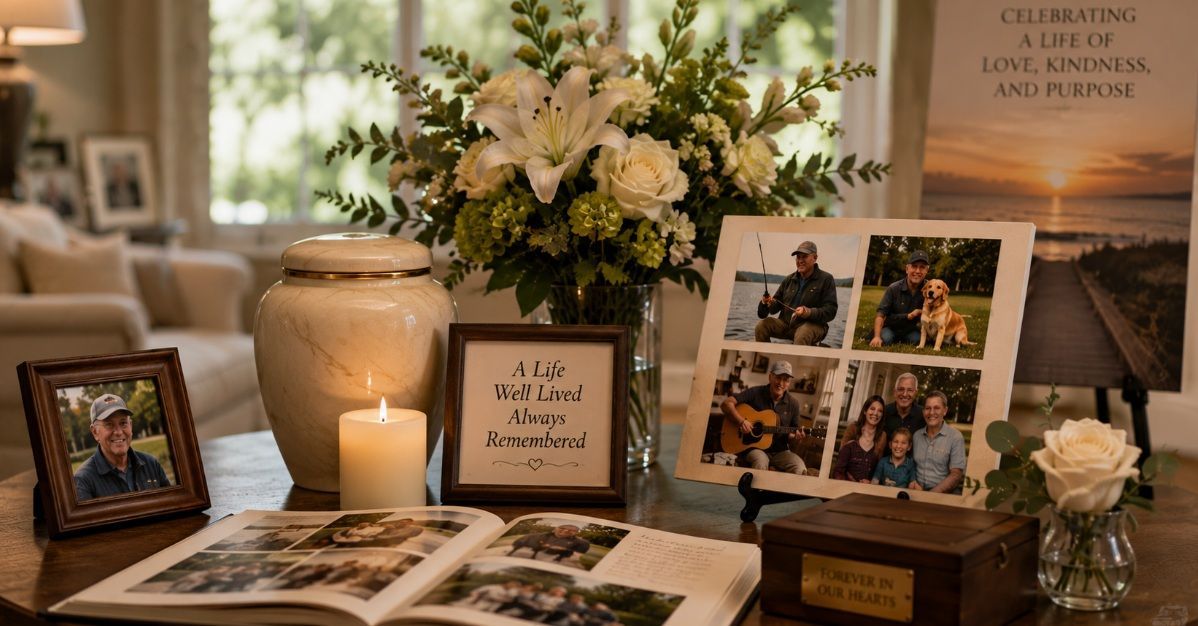
A funeral home's responsibility does not have to end when a ceremony concludes. Families may continue looking for meaningful ways to remember someone through keepsakes, memorial traditions, photographs, written memories, or other personal forms of remembrance.
Support can also begin well before a death occurs. Some people choose to discuss their preferences in advance so their family has clearer guidance later. Planning ahead can create an opportunity to document wishes, consider service preferences, and communicate decisions with the people who may eventually be responsible for carrying them out.
For families dealing with an immediate loss, however, the most important support is often simply having knowledgeable people available to answer questions. Grief does not follow a timetable, and questions can arise throughout the arrangement process.
That ongoing accessibility helps families feel informed rather than rushed. The funeral home's website states that its team is available 24 hours a day, seven days a week, providing families with access to guidance when circumstances require immediate assistance.
When a family experiences a loss, compassionate support can make necessary decisions feel more manageable. From coordinating practical details to creating a meaningful gathering,
Philadelphia, PA funeral homes can help loved ones honor a life while moving through arrangements with greater clarity. At Murphy Ruffenach Brian W. Donnelly Funeral Homes, we are committed to listening carefully and helping families understand the choices available to them. For
compassionate guidance when making funeral arrangements, call
(215) 334-1578 to speak with our team about the support your family needs.