A white background with a few lines on it

How a Memorial Service Can Honor Traditions and Personal Values

Murphy Ruffenach Brian W. Donnelly Funeral Homes • November 9, 2026

A meaningful memorial service can honor cherished traditions while celebrating the personal values, memories, and relationships that made a loved one unique.

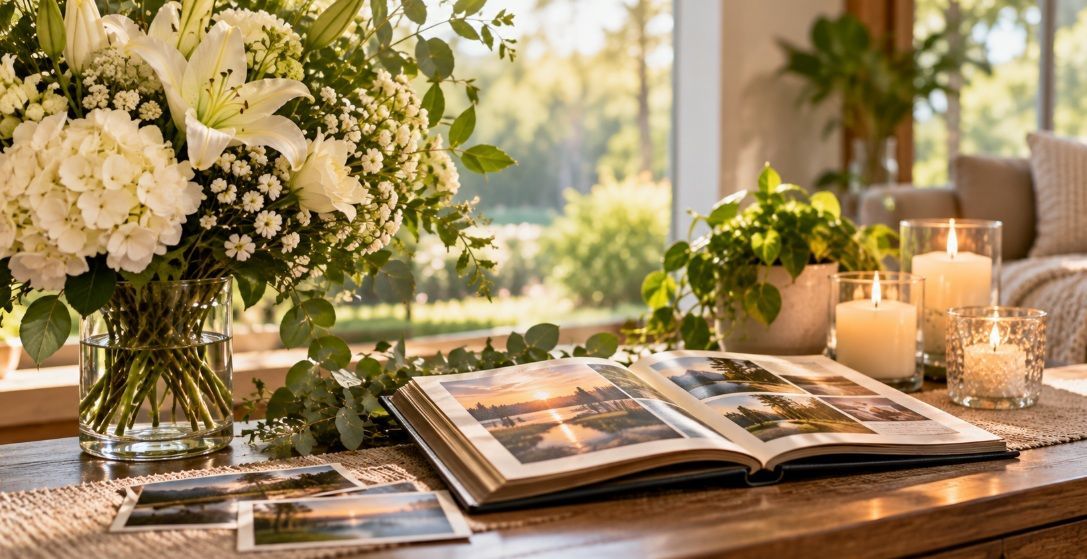
Philadelphia, PA funeral services represented by a peaceful garden setting that honors memorial traditions and personal values.

When families consider Philadelphia, PA funeral services, they often want a meaningful way to remember someone they love while respecting the traditions that have shaped their family. A memorial service creates an opportunity to bring those priorities together. Through familiar rituals, personal stories, meaningful music, and shared reflection, families can celebrate a loved one's individuality without setting aside important cultural or religious customs. The result can be a thoughtful gathering that recognizes both personal values and lasting family connections. 


We understand that planning a memorial can feel overwhelming, particularly when relatives have different preferences or expectations. At Murphy Ruffenach Brian W. Donnelly Funeral Homes, we believe every family deserves the opportunity to create a remembrance that feels sincere, respectful, and meaningful. By balancing cherished traditions with personal details, families can honor the past while creating a gathering that reflects the life, relationships, and beliefs of the person they are remembering. 


Why Do Traditions and Personal Values Matter in a Memorial Service? 


Traditions provide familiarity, cultural connection, and opportunities for shared remembrance, while personal values help families create a tribute that reflects an individual's life. Combining both elements allows a memorial service to feel respectful and deeply personal. 


A meaningful gathering does not need to follow one rigid format. Instead, it can reflect the customs a family wishes to preserve while including details that celebrate the person being remembered. 


The Comfort of Familiar Traditions 


Family traditions often carry memories across generations. A particular prayer, hymn, reading, or ceremonial practice may remind relatives of gatherings they experienced with parents, grandparents, and other loved ones. 


These familiar elements can offer reassurance during an emotional time. They also give relatives a shared way to participate, even when individuals experience grief differently. 


For some families, religious observances are central to the ceremony. Others may place greater emphasis on cultural customs, storytelling, or quiet reflection. 


We encourage families to identify which traditions hold the greatest meaning rather than feeling obligated to include every customary practice. 


Reflecting a Loved One's Personal Values 


Personal values reveal what mattered most to someone throughout their life. These may include faith, generosity, family relationships, community involvement, creativity, or a lifelong commitment to helping others. 


A memorial can reflect these qualities through carefully chosen readings, music, photographs, and personal tributes. 


For example, someone who valued family connections might be remembered through stories shared by several generations. A person who loved nature might be honored through floral arrangements inspired by a favorite garden. 


The most meaningful choices are often those that feel authentic rather than elaborate. 


Bringing Cultural and Religious Customs into the Ceremony 


Cultural and religious practices can provide an important foundation for a memorial gathering. They help families recognize beliefs, preserve heritage, and express respect through familiar ceremonies. 


However, traditions vary widely, even among families who share the same faith or cultural background. Understanding individual preferences is essential. 


How Can Families Respect Different Beliefs? 


Families can respect different beliefs by identifying essential customs, discussing personal preferences, and creating opportunities for inclusive participation. When religious requirements apply, consulting the appropriate faith leader can help ensure that arrangements remain consistent with those practices. 


We recommend beginning with a conversation about which elements are especially important. 


Some families may prioritize: 

  • Religious prayers, scripture readings, or blessings. 
  • Traditional music or hymns associated with their faith. 
  • Cultural readings, poetry, or ceremonial customs. 
  • Participation from religious or community leaders. 
  • Quiet reflection for guests with different beliefs. 


Not every guest needs to participate in the same way. Providing space for respectful observation can help everyone feel welcome. 


Honoring Family Heritage Across Generations 


A memorial can also become an opportunity to share family history with younger relatives. 


Stories about childhood experiences, family celebrations, and cultural customs can help children and grandchildren understand the person being remembered. 


Families might include a meaningful passage in a heritage language, invite an elder to share a memory, or incorporate music associated with family gatherings. 


These choices can preserve important connections while allowing each generation to contribute something meaningful. 


Personalizing a Memorial Through Meaningful Details

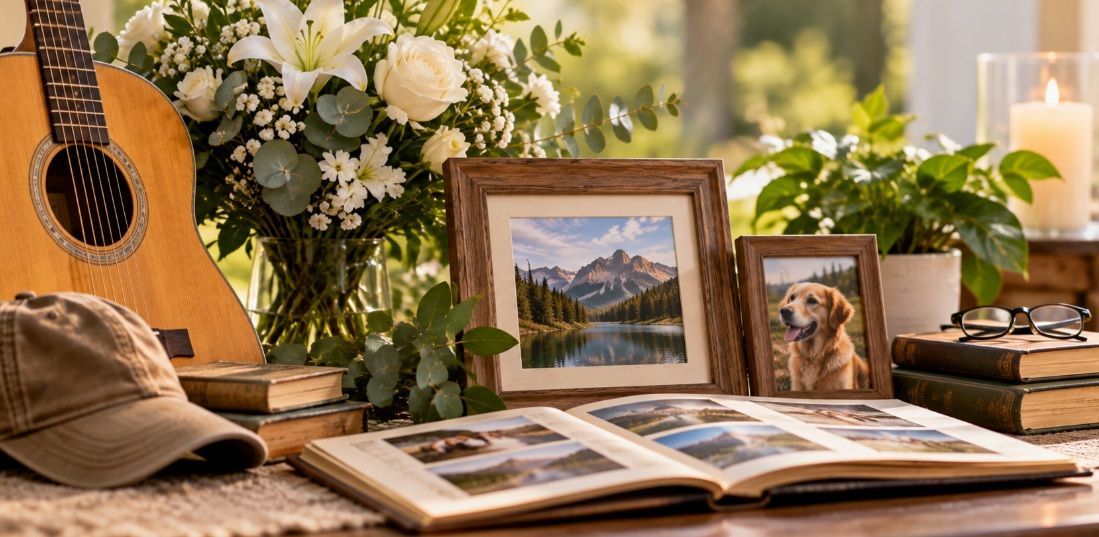
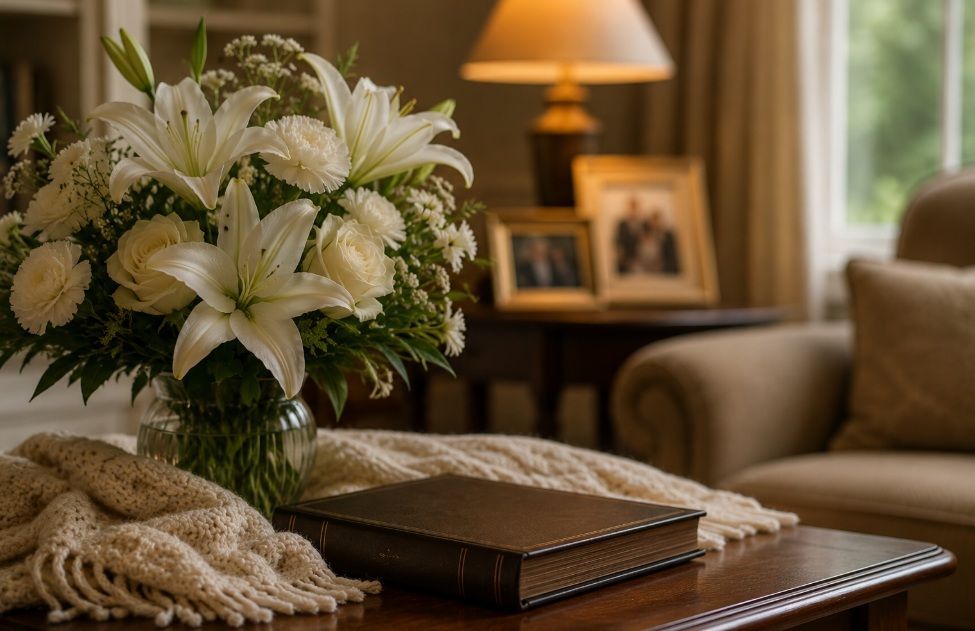
Philadelphia, PA funeral services illustrated through family photographs and flowers used to personalize a meaningful memorial gathering.

Personalization helps a memorial reflect the individual rather than relying entirely on familiar ceremony elements. Families can incorporate details that represent meaningful relationships, interests, and experiences.


Thoughtful memorial and funeral service options can help families consider how personal touches fit within their preferred gathering. 


Five Meaningful Ways to Personalize a Memorial 


  1. Choose significant music. Include songs, hymns, or instrumental selections associated with meaningful moments in a loved one's life. 
  2. Share personal stories. Invite relatives and friends to contribute memories that highlight kindness, humor, accomplishments, or important relationships. 
  3. Display cherished photographs. Select images that represent different stages of life, family celebrations, friendships, and memorable experiences. 
  4. Include meaningful readings. Choose poetry, scripture, or passages that reflect the person's beliefs and guiding principles. 
  5. Invite family participation. Offer opportunities for loved ones to read, share memories, select music, or contribute other appropriate elements. 


These choices can be adapted to formal religious ceremonies, intimate family gatherings, or broader celebrations of life. 


We also encourage families to consider whether each detail would have felt meaningful to the person being honored. 


Balancing Tradition with Personal Expression 


Traditional elements and personal touches do not need to compete. They can complement one another when families consider how each part of the ceremony contributes to the overall remembrance. 

Traditional element Personal addition
Religious reading Favorite meaningful passage
Traditional hymn Personally significant music
Formal remembrance Stories from family and friends
Printed program Cherished photograph or message
Closing reflection Shared moment of gratitude

A family might retain a familiar prayer while adding a personal reading. Another might combine customary music with photographs representing a loved one's favorite experiences. 


The goal is to create a respectful, cohesive ceremony rather than including every possible tribute. 


Creating a Memorial That Welcomes Family and Friends 


A memorial service brings together people whose relationships with the deceased may have been very different. Close relatives, lifelong friends, neighbors, and colleagues can each contribute unique memories. 


Providing a welcoming environment allows attendees to participate in ways that feel comfortable. 


How Can Everyone Feel Included? 


Families can encourage inclusion by providing clear ceremony information, considering accessibility needs, and allowing different forms of participation. A welcoming memorial respects both those who wish to speak and those who prefer quiet reflection. 


Simple considerations can make a meaningful difference. 


We suggest communicating the ceremony's general format in advance, particularly when unfamiliar cultural or religious customs are involved. 


Families may also consider seating arrangements, accessible entrances, appropriate opportunities for children to participate, and ways for distant relatives to share memories. 


Not everyone will express grief openly. Respecting those differences can help create a supportive gathering. 


Supporting Loved Ones Through Shared Memories 


One of the lasting benefits of a memorial is the opportunity to hear stories that might otherwise remain untold. 


A neighbor may remember a thoughtful gesture. A former colleague may recall years of friendship. A grandchild may share a simple moment that captures a loved one's personality. 


These memories can offer comfort while helping relatives appreciate the many relationships that shaped someone's life. 


Our discussion of including family in memorial planning provides additional perspective on making remembrance a shared experience. 


Planning a Meaningful Memorial with Confidence 


Memorial planning involves practical decisions as well as emotional ones. A thoughtful approach can help families focus on what matters most without feeling overwhelmed by every available option. 


We recommend considering the purpose of the gathering before selecting individual details. 


A Simple Memorial Planning Checklist 


Families can use the following checklist to organize their priorities: 

  • Identify important religious or cultural traditions. 
  • Review any wishes previously expressed by the loved one. 
  • Choose the type of gathering that feels appropriate. 
  • Consider meaningful readings, music, and photographs. 
  • Decide who may wish to participate. 
  • Discuss accessibility and other guest needs. 
  • Confirm ceremony details with the funeral director or appropriate officiant. 


It is also helpful to identify one or two family members who can coordinate suggestions and communicate decisions. 


This approach allows everyone to contribute while keeping the planning process manageable. 


Frequently Asked Questions About Memorial Services 


Families often wonder how much flexibility they have when combining established traditions with personal preferences. 


Can a Memorial Service Include Religious and Nonreligious Elements? 


Yes. Depending on the family's wishes and any applicable religious requirements, a memorial may combine prayers or scripture with personal stories, secular readings, and meaningful music. A faith leader can clarify whether particular elements are appropriate within a religious ceremony. 


Does a Memorial Service Need to Follow a Formal Schedule? 


Not necessarily. A simple order of service can provide structure without making the gathering overly formal. Families may include designated times for readings, music, shared memories, and quiet reflection. 


Can Families Hold a Memorial Some Time After a Death? 


Yes. A memorial service may take place days, weeks, or longer after a death, depending on family circumstances, religious considerations, and personal preferences. This flexibility can help relatives coordinate travel and prepare meaningful tributes. 


Preserving Traditions While Honoring a Unique Life

Philadelphia, PA funeral services represented by a serene riverside landscape symbolizing family traditions, reflection, and personal remembrance.

A meaningful memorial service creates space for families to preserve cherished traditions while recognizing the beliefs, relationships, and experiences that made their loved one unique. Whether the gathering includes religious customs, personal storytelling, music, or quiet reflection, every thoughtful choice can contribute to a respectful remembrance. At Murphy Ruffenach Brian W. Donnelly Funeral Homes, we understand that families need both compassionate support and practical guidance when making these decisions. For those considering Philadelphia, PA funeral services, we can help discuss how familiar customs and personal tributes may fit together in a meaningful ceremony. If your family is preparing a memorial or would like to understand available arrangements, call (215) 334-1578 or use our funeral planning contact form to share your questions and preferences.

Philadelphia, PA funeral homes represented by a peaceful garden pathway
By Murphy Ruffenach Brian W. Donnelly Funeral Homes • November 9, 2026
Understand the lasting value of traditional funerals. Murphy Ruffenach Brian W. Donnelly Funeral Homes offers caring guidance. Call (215) 334-1578 today.
Philadelphia, PA cremations planning with a notebook and peaceful setting reflecting thoughtful fami
By Murphy Ruffenach Brian W. Donnelly Funeral Homes • November 2, 2026
Murphy Ruffenach Brian W. Donnelly Funeral Homes helps families understand cremation choices with clarity and care. Call (215) 334-1578 for guidance.
Philadelphia, PA cremation services offering flexible memorial options with flowers, photographs
By Murphy Ruffenach Brian W. Donnelly Funeral Homes • October 26, 2026
Murphy Ruffenach Brian W. Donnelly Funeral Homes helps families plan meaningful, flexible farewells with care. For personal guidance, call (215) 334-1578.
Philadelphia, PA funeral services honoring a unique life with meaningful photos, favorite keepsakes
By Murphy Ruffenach Brian W. Donnelly Funeral Homes • October 19, 2026
Murphy Ruffenach Brian W. Donnelly Funeral Homes helps families create personal tributes that honor each life. Call (215) 334-1578 for guidance today.
Peaceful garden setting symbolizing how Philadelphia, PA funeral homes provide comfort
By Murphy Ruffenach Brian W. Donnelly Funeral Homes • October 12, 2026
Discover why Murphy Ruffenach Brian W. Donnelly Funeral Homes provides caring guidance after a loss. For personal funeral support, call (215) 334-1578 today.
Philadelphia, PA cremations reflected through family photos, flowers, and candles
By Murphy Ruffenach Brian W. Donnelly Funeral Homes • October 5, 2026
Murphy Ruffenach Brian W. Donnelly Funeral Homes helps families create flexible, personal farewells. Call (215) 334-1578 to discuss your family's wishes.
Philadelphia, PA cremation services supporting families with comfort
By Murphy Ruffenach Brian W. Donnelly Funeral Homes • September 28, 2026
Murphy Ruffenach Brian W. Donnelly Funeral Homes provides caring support and flexible memorial choices after a loss. Call (215) 334-1578 for guidance.
Philadelphia, PA funeral services focused on meaningful traditions and thoughtful family-centered
By Murphy Ruffenach Brian W. Donnelly Funeral Homes • September 21, 2026
Murphy Ruffenach Brian W. Donnelly Funeral Homes helps families plan meaningful traditional farewells with personal care. Call (215) 334-1578 for guidance.
Philadelphia, PA funeral homes providing compassionate support and comfort to families through loss.
By Murphy Ruffenach Brian W. Donnelly Funeral Homes • September 14, 2026
Murphy Ruffenach Brian W. Donnelly Funeral Homes offers caring guidance after a loss. Call (215) 334-1578 for compassionate help with the next steps.
Philadelphia, PA cremations with traditional funeral flowers and candles creating a peaceful memoria
By Murphy Ruffenach Brian W. Donnelly Funeral Homes • September 7, 2026
Traditional funeral customs can be part of cremation services. Murphy Ruffenach Brian W. Donnelly Funeral Homes. Call (215) 334-1578 for guided planning.
Show More