Losing someone close can leave a family facing emotional pain while also making important decisions in a short period of time. Experienced
Philadelphia, PA funeral homes can provide steady guidance during this difficult period, helping families understand their choices and create a meaningful way to honor someone they love. We believe compassionate funeral care is about more than coordinating a ceremony. It means listening carefully, answering questions clearly, respecting family traditions, and helping people move through each decision without feeling unnecessarily overwhelmed.
Grief affects every person differently, which means support should never feel impersonal or rushed. Families may arrive with clear wishes, or they may be uncertain about what kind of gathering, ceremony, or remembrance feels appropriate. Murphy Ruffenach Brian W. Donnelly Funeral Homes approaches these moments with care, dignity, and personal attention. By helping families understand what needs to happen and giving them room to make thoughtful choices, we can make an unfamiliar process feel more manageable while keeping the focus where it belongs, on remembering the person whose life brought everyone together.
Providing Calm Guidance When Decisions Feel Difficult
One of the most valuable roles we can play after a death is bringing clarity to a situation that may initially feel confusing. Families often need to make several decisions while processing grief, communicating with relatives, and considering the wishes of the person who died. Having experienced guidance can help organize those responsibilities into manageable steps.
We begin by listening. Some families know exactly what their loved one wanted, while others need help understanding the choices available to them. A funeral director can explain the practical details, discuss possible arrangements, and help family members identify what feels appropriate for their circumstances.
Clear communication matters because families should understand the purpose behind the decisions they are making. Rather than presenting arrangements as a checklist, we can help connect each choice to the family's values, traditions, and preferences. Our
service options can accommodate different ways of gathering, remembering, and saying goodbye. This thoughtful guidance gives families a dependable source of support when concentrating on details may otherwise feel especially difficult.
Creating Space for Meaningful Remembrance
A funeral or memorial gathering can provide family members and friends with an opportunity to acknowledge a death while reflecting on the life that was lived. The ceremony does not have to follow one particular format to be meaningful. What matters is creating an experience that feels sincere and appropriate for the people involved.
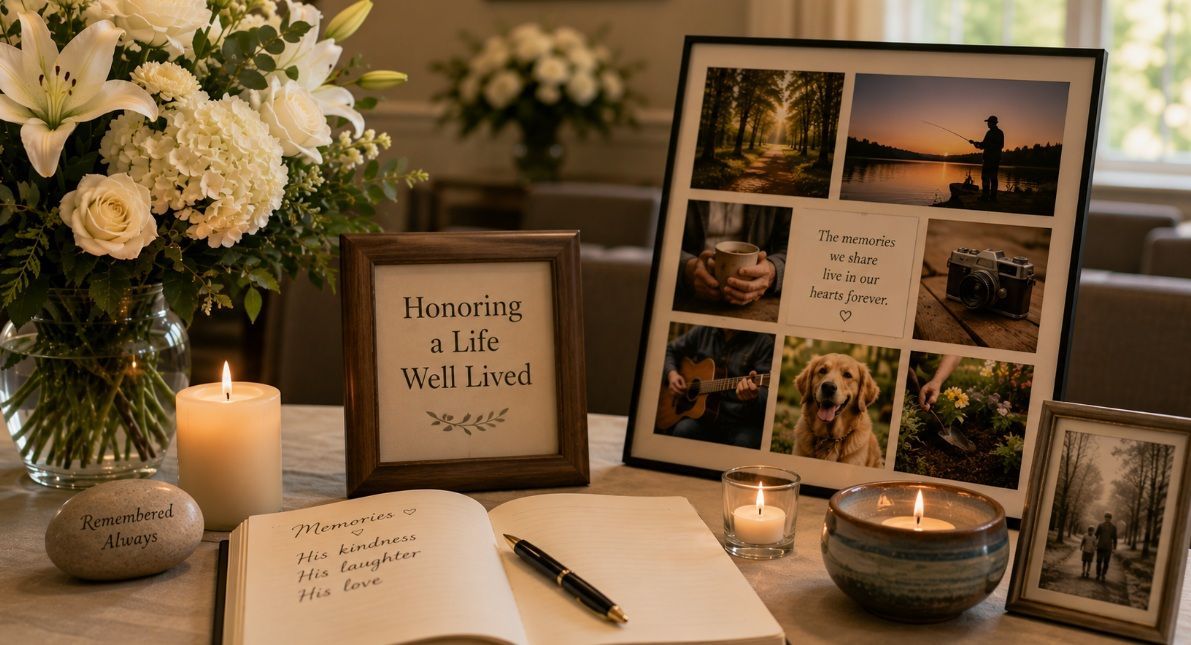
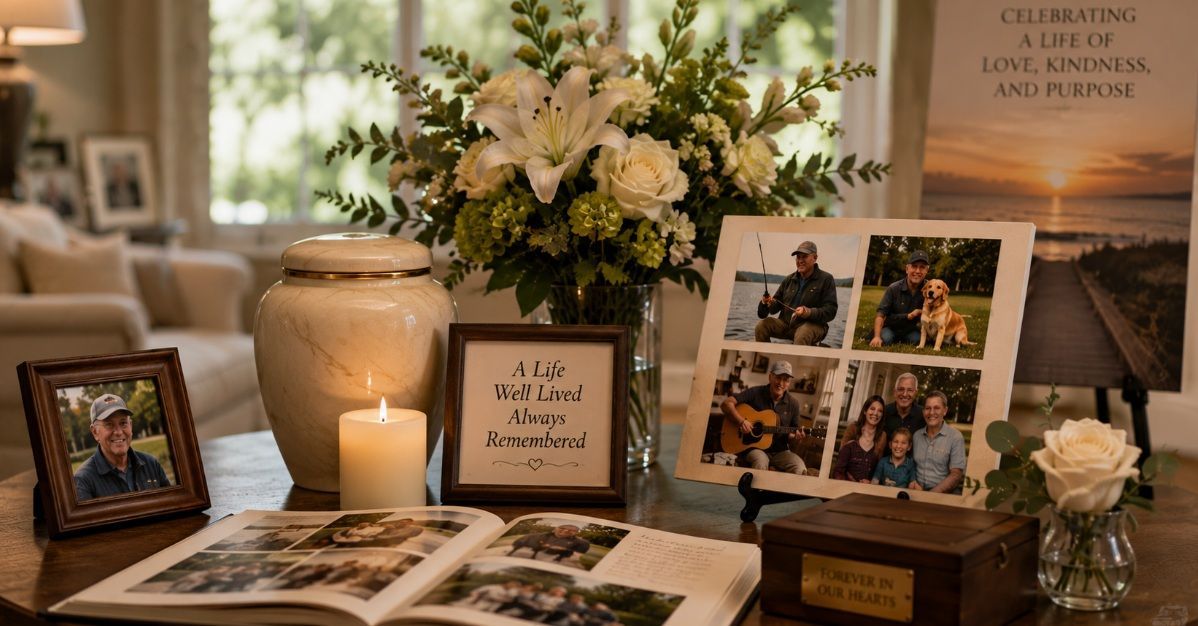
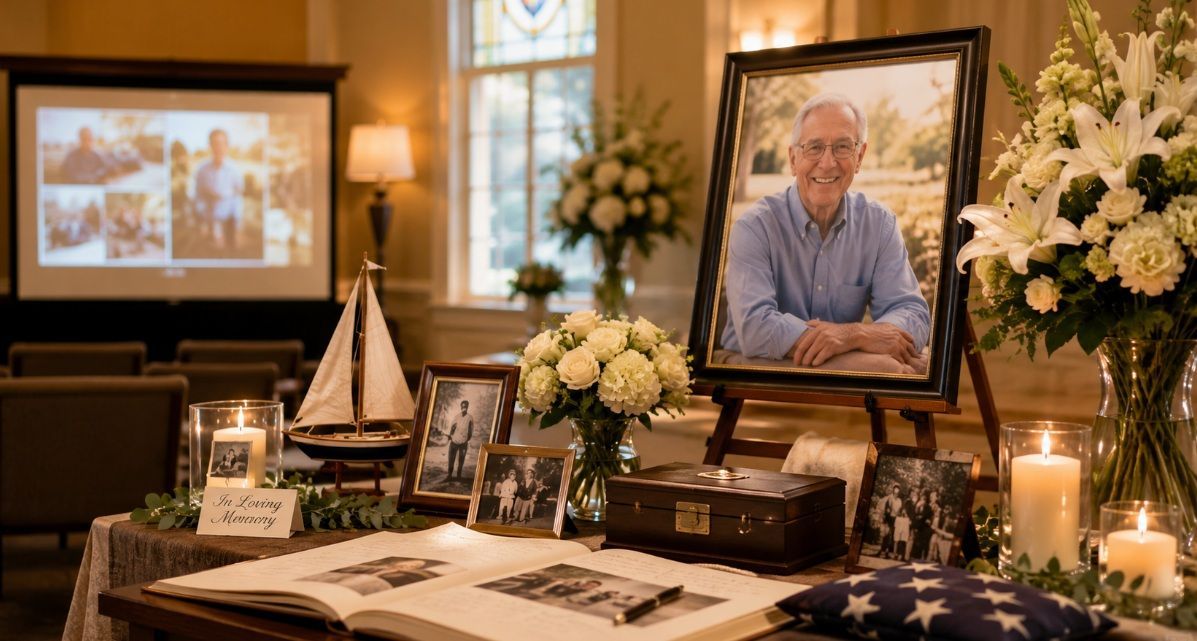
Personal details can help a service reflect someone's character. Families may incorporate favorite music, photographs, readings, religious customs, stories, meaningful objects, or memories shared by relatives and friends. These elements can turn a formal gathering into a more personal reflection of an individual's relationships, interests, beliefs, and experiences.
We also recognize that personalization does not require an elaborate ceremony. Sometimes a few carefully chosen details communicate more than a large number of additions. Understanding
why personalization matters in funeral services can help families focus on memories that genuinely represent their loved ones. Our role is to help bring those ideas together respectfully, so the resulting tribute feels personal rather than routine.
Respecting Traditions, Beliefs, and Family Wishes
Every family brings its own history to funeral planning. Religious beliefs, cultural customs, generational traditions, and personal preferences can all influence how people choose to say goodbye. We believe those differences deserve careful attention rather than assumptions about what a family should want.
Listening is especially important when several relatives are involved in planning. Family members may have different ideas about the ceremony, yet many of those preferences come from the same desire to honor the person who died. Thoughtful guidance can help families identify shared priorities and find an approach that respects the wishes most important to them.
Traditions can also provide comfort because familiar rituals give structure to an unfamiliar emotional experience. For some families, that may involve a religious service or longstanding cultural practice. For others, it may mean a less formal gathering centered on stories and personal memories. We can help families consider these preferences while coordinating the practical details needed for a respectful service. The goal is not to prescribe how grief should look, but to support a farewell that feels authentic to the family.
Helping Families Understand Their Available Choices
Funeral planning can involve unfamiliar terminology and decisions that many people have never encountered before. Families may be considering a traditional funeral, cremation, a memorial gathering, burial, or another form of remembrance. Clear explanations can make those options easier to understand without placing unnecessary pressure on anyone to decide before they feel informed.
We can discuss how different arrangements work and how a family might incorporate visitation, ceremonies, religious observances, personal tributes, or other meaningful elements. Cremation, for example, can still include opportunities for relatives and friends to gather and remember someone together. Families do not necessarily have to choose between cremation and having a meaningful ceremony.
For people who prefer to make decisions before a need arises, planning ahead can also provide an opportunity to document preferences and communicate wishes in advance. Regardless of when arrangements are made, our responsibility is to provide understandable information so families can make decisions that reflect their values, circumstances, and loved one's wishes.
Offering Support Beyond the Ceremony
The need for compassionate care does not automatically end when a funeral or memorial service is over. Grief often continues long after relatives and friends have returned to their regular routines. Although every person's experience is different, having dependable information and compassionate people available can make the period surrounding a loss feel less isolated.
Funeral professionals can help families prepare for what happens before, during, and immediately after a service. That support may include coordinating details, communicating arrangements, helping organize the ceremony, and answering practical questions that arise along the way. Taking care of these responsibilities can give relatives more space to focus on one another.
We also understand that grief does not follow a predictable schedule. Some people find comfort through family, faith, community, remembrance activities, or professional grief support. Others simply need time and privacy. Respecting those differences is part of a compassionate service. By remaining patient, attentive, and responsive, we can provide families with a steady presence while allowing each person to experience loss in their own way.
Compassionate Care When Families Need It Most
The right support can help families move through funeral arrangements with greater clarity while creating space to remember a loved one in a personal and respectful way. When families turn to Philadelphia, PA funeral homes, they should feel heard, informed, and supported throughout the decisions ahead. Murphy Ruffenach Brian W. Donnelly Funeral Homes is committed to helping families create meaningful arrangements with dignity and personal attention. When questions arise or you need guidance about the next steps, call us at
(215) 334-1578 to
speak with our caring team and find the right options for your family's needs.