


Mummers Parade
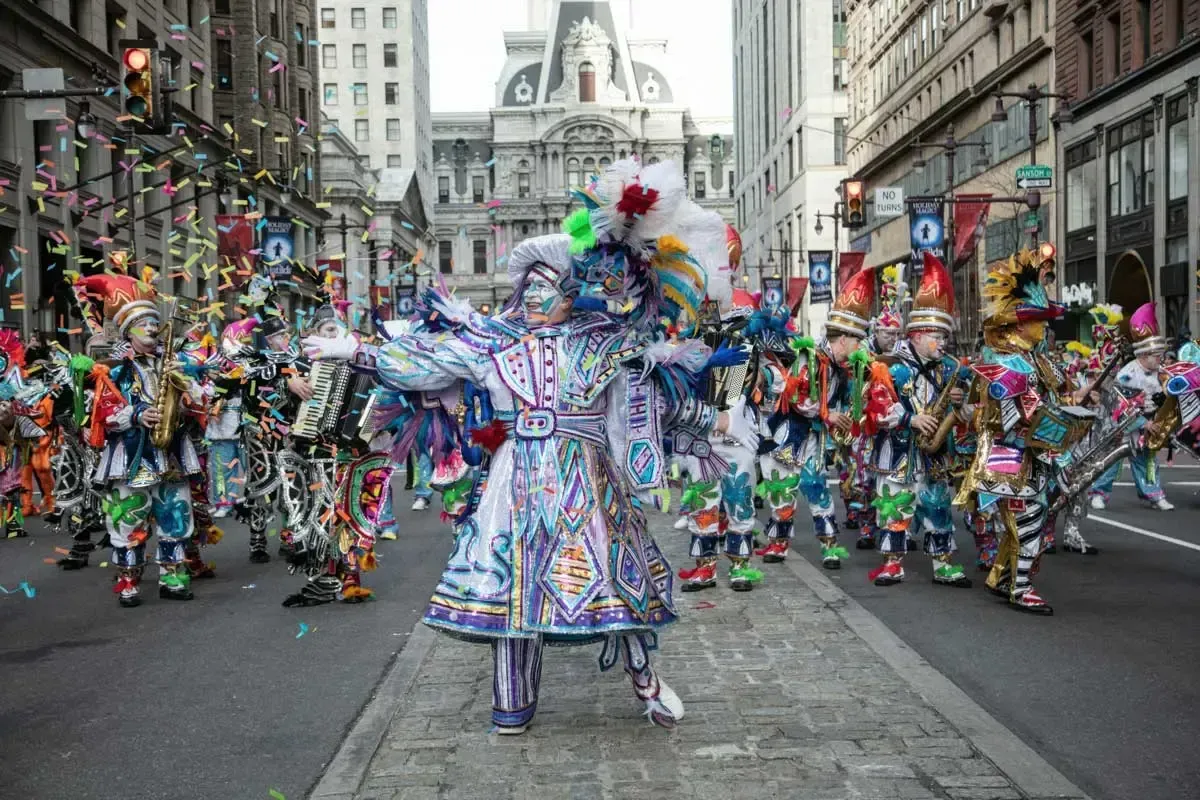
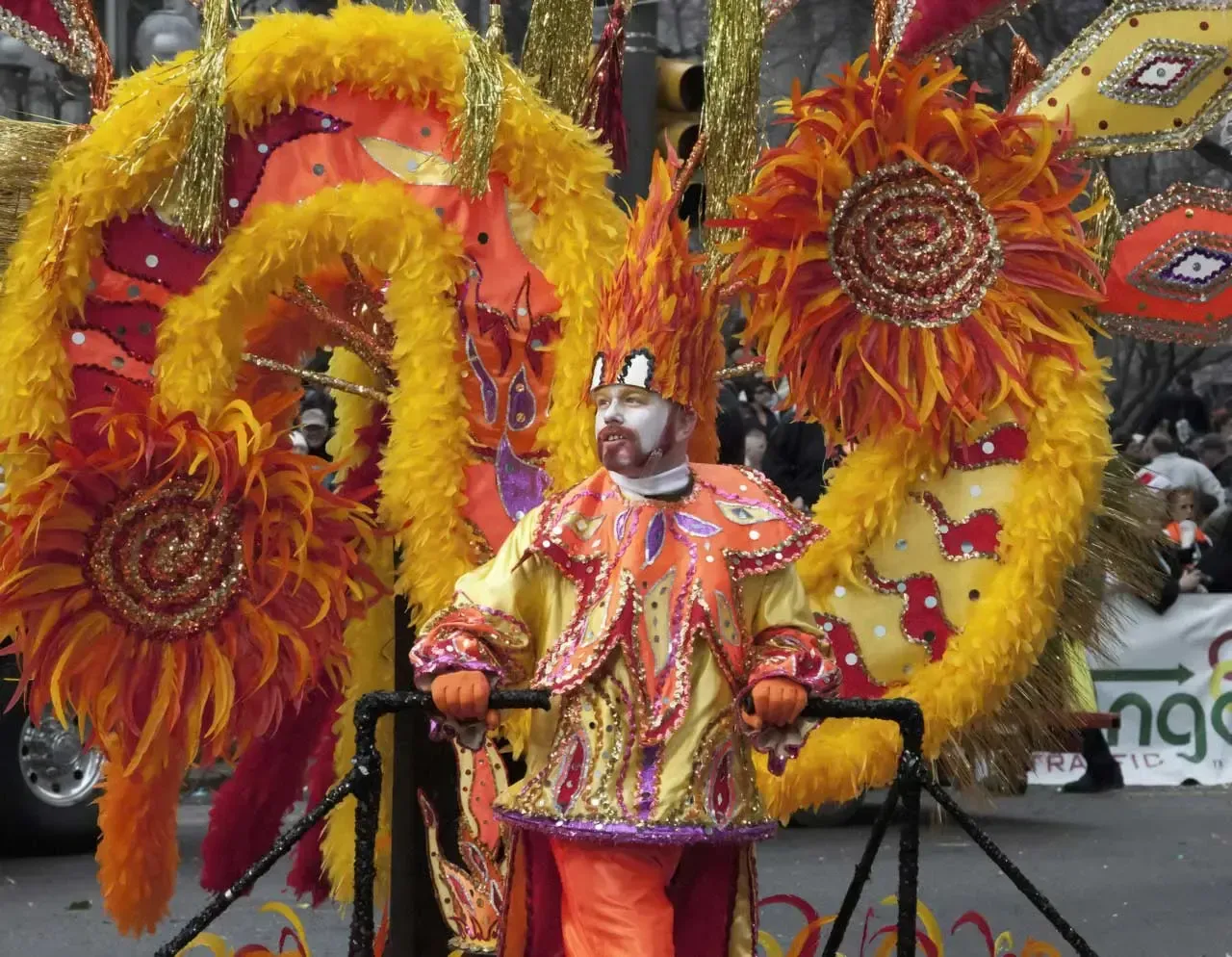
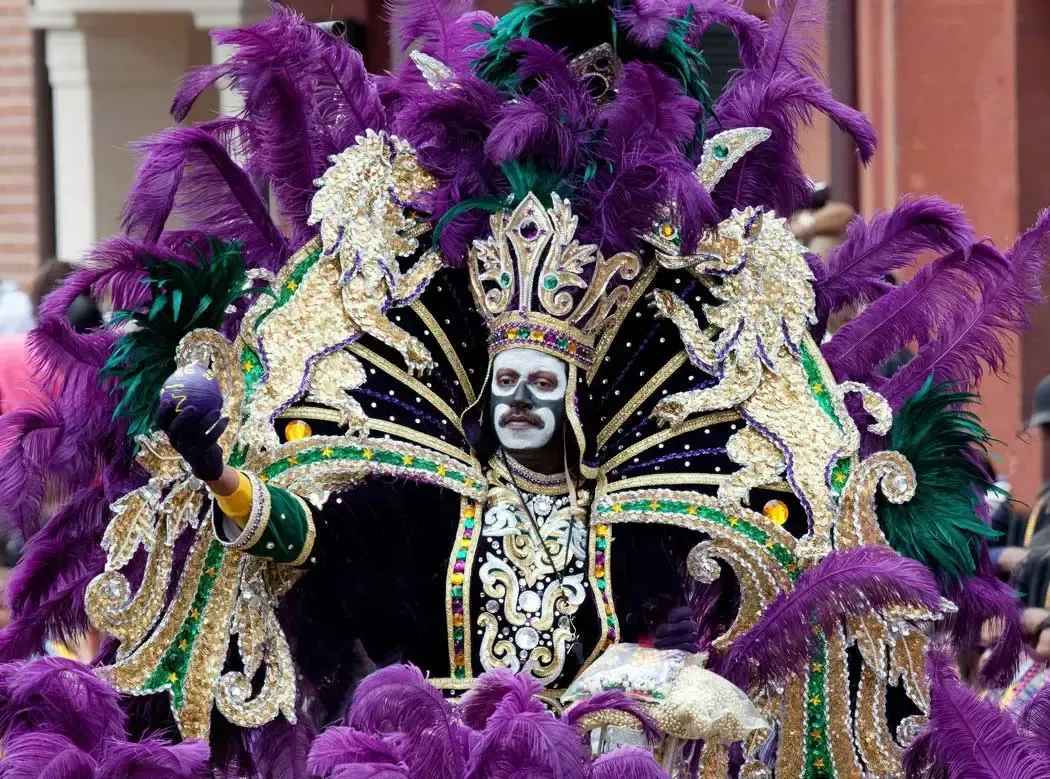
The Mummers Parade is a traditional event held annually in Philadelphia, Pennsylvania, typically on New Year's Day. Here's a brief history of the Mummers Parade:
- Origins: The tradition of mumming, which includes elaborate costumes, music, and performances, dates back centuries in Europe. Mummers were actors who performed in masks and costumes during winter solstice celebrations, often to ward off evil spirits or bring good luck.
- In America: The Mummers Parade as we know it today began in Philadelphia in the 17th century. The earliest record of the parade dates back to 1691, making it one of the oldest folk festivals in the United States.
- Evolution: Over the years, the parade evolved from a small neighborhood event into a grand spectacle featuring elaborate costumes, string bands, fancy brigades, and other performers. It became particularly associated with New Year's Day celebrations in Philadelphia.
- String Bands and Divisions: The Mummers Parade is divided into various divisions, including Comics, Wench Brigades, Fancies, and String Bands. String Bands are a distinctive feature, with musicians dressed in colorful themed costumes, playing banjos, saxophones, and other instruments.
- Controversies and Changes: The parade has faced criticism over the years for issues such as racial insensitivity and exclusion. Efforts have been made to diversify and modernize the parade while preserving its traditional aspects.
- Modern Era: Today, the Mummers Parade attracts thousands of participants and spectators each year. It is a major event in Philadelphia, drawing people from all over the region to watch the elaborate performances and enjoy the festive atmosphere.
Overall, the Mummers Parade represents a blend of European traditions with American cultural influences, showcasing community spirit, creativity, and a sense of celebration.